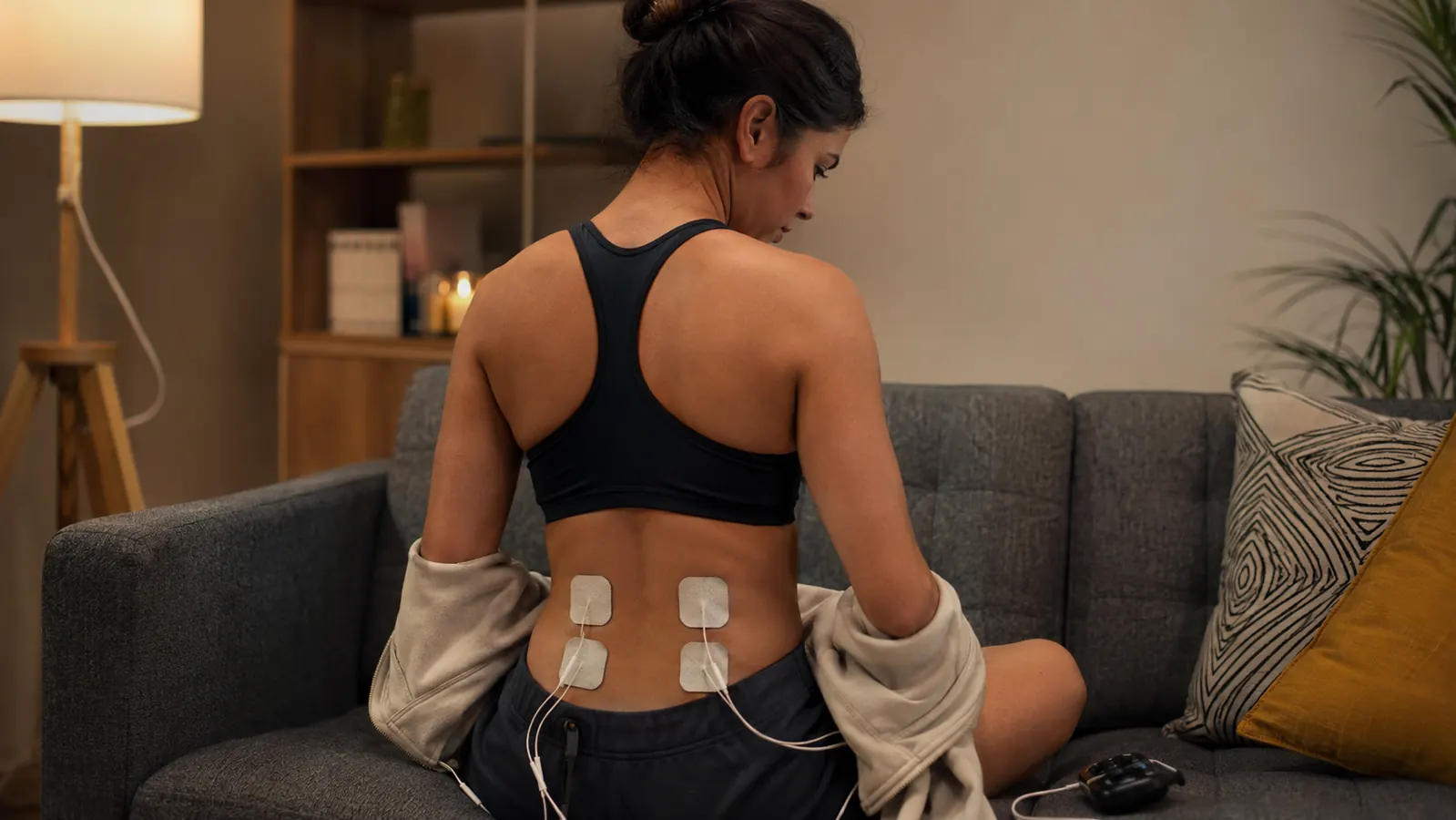
I used to think TENS units were for physical therapy clinics. The little devices with the electrode pads and the tingling sensation seemed like something you used after surgery, not after a hard deadlift session. Then I started recommending them to athletes who were stuck in a soreness cycle, always hurting too much to train well, never recovering fast enough to make real progress. Now I cannot imagine my recovery toolkit without one. The TENS 7000 in particular has over 106,000 reviews on Amazon and a 4.6-star rating, which tells you that a lot of everyday people are figuring out what clinicians have known for years.
Here are ten specific ways that a TENS unit can help you recover faster between workouts. These are not abstract claims. Each one is something I have either used personally or coached clients through. If you are curious about the full device breakdown, check out my long-term TENS 7000 review for all the details on settings, pad placement, and how it holds up over time.
Still waking up too sore to train? The TENS 7000 is what I put in every serious athlete's recovery bag.
Over 106,000 Amazon reviews. Budget-friendly price. It is the single most-used recovery tool in my toolkit.
Amazon Check Today's Price on Amazon →It Interrupts the Pain Signal Before Soreness Sets In
TENS therapy works partly through the Gate Control Theory of pain. Electrical pulses from the unit stimulate large sensory nerve fibers, which can block smaller pain signals from reaching the brain. Using a TENS unit in the hour after a tough session, before delayed onset muscle soreness fully develops, can reduce how bad that next-morning stiffness actually feels. I tell athletes: get the pads on while the muscle is still warm. Do not wait until you wake up unable to walk downstairs.
It Promotes Blood Flow Without Making You Move
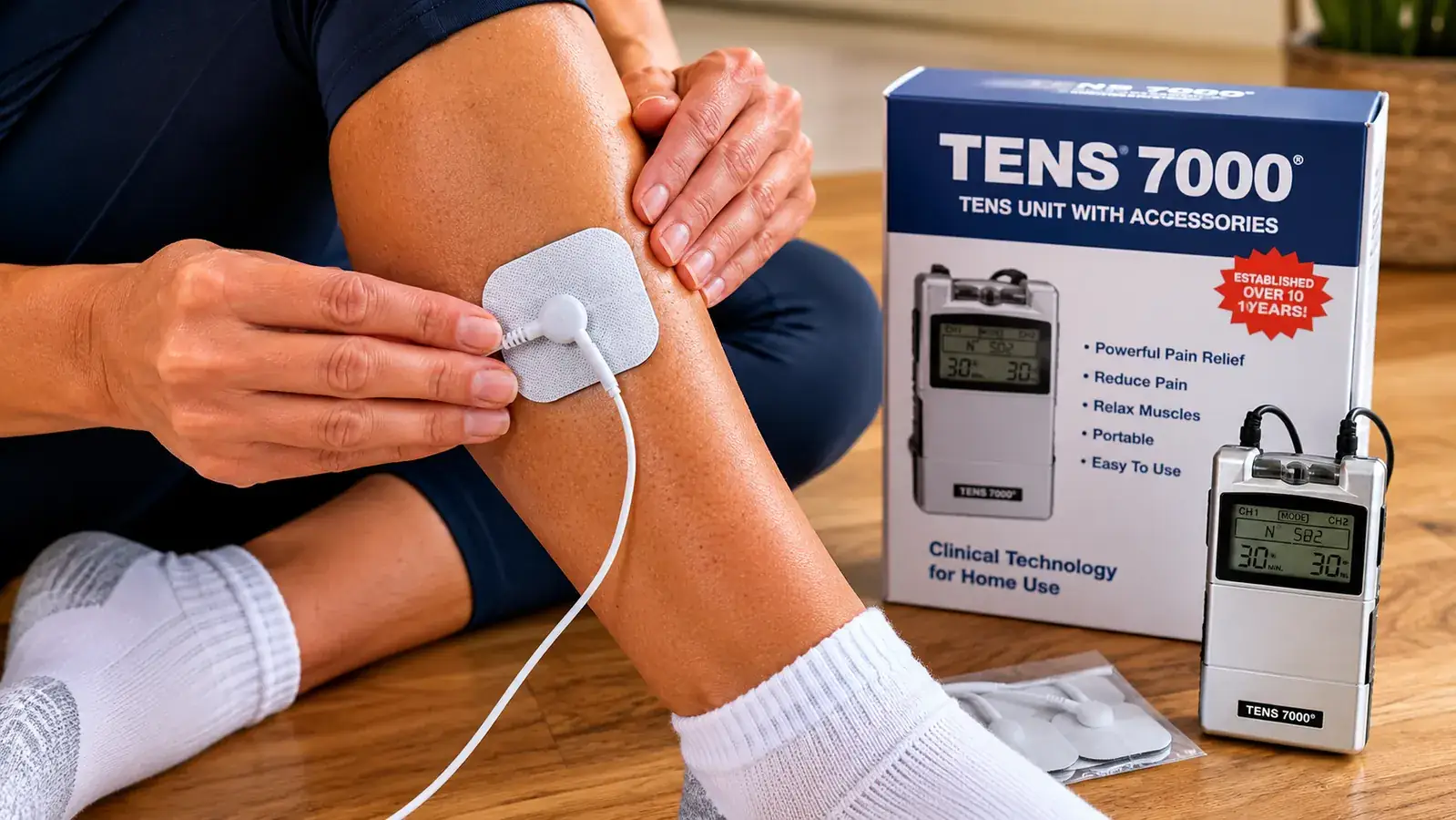
After a long run or a heavy squat session, your legs might not want to move at all. That is exactly when you need blood flow the most, to clear metabolic waste and deliver nutrients to damaged tissue. Low-frequency TENS settings cause rhythmic muscle contractions that act like a gentle pump, moving blood through the area without requiring you to actually exercise. You can lay flat, feet up, and let the device do the work.
It Helps Tight Muscles Release Without Stretching
Stretching a muscle that is still in protective spasm can do more harm than good. TENS therapy at a comfortable pulse frequency can help chronically tight muscles relax without you forcing range of motion on them. I have seen this work particularly well on the upper traps and the piriformis, two muscles that refuse to let go no matter how much you foam roll or stretch. The electrical stimulation essentially overrides the tension reflex.
It Can Help You Sleep Better on Sore Nights
A 20-minute TENS session on sore lower back muscles or legs about an hour before bed can meaningfully reduce the discomfort that interrupts sleep. And better sleep is where actual muscle repair happens. This is one of those indirect recovery benefits people overlook. You are not just managing pain, you are clearing the path for the sleep quality that drives everything else.
It Works on Multiple Areas at Once
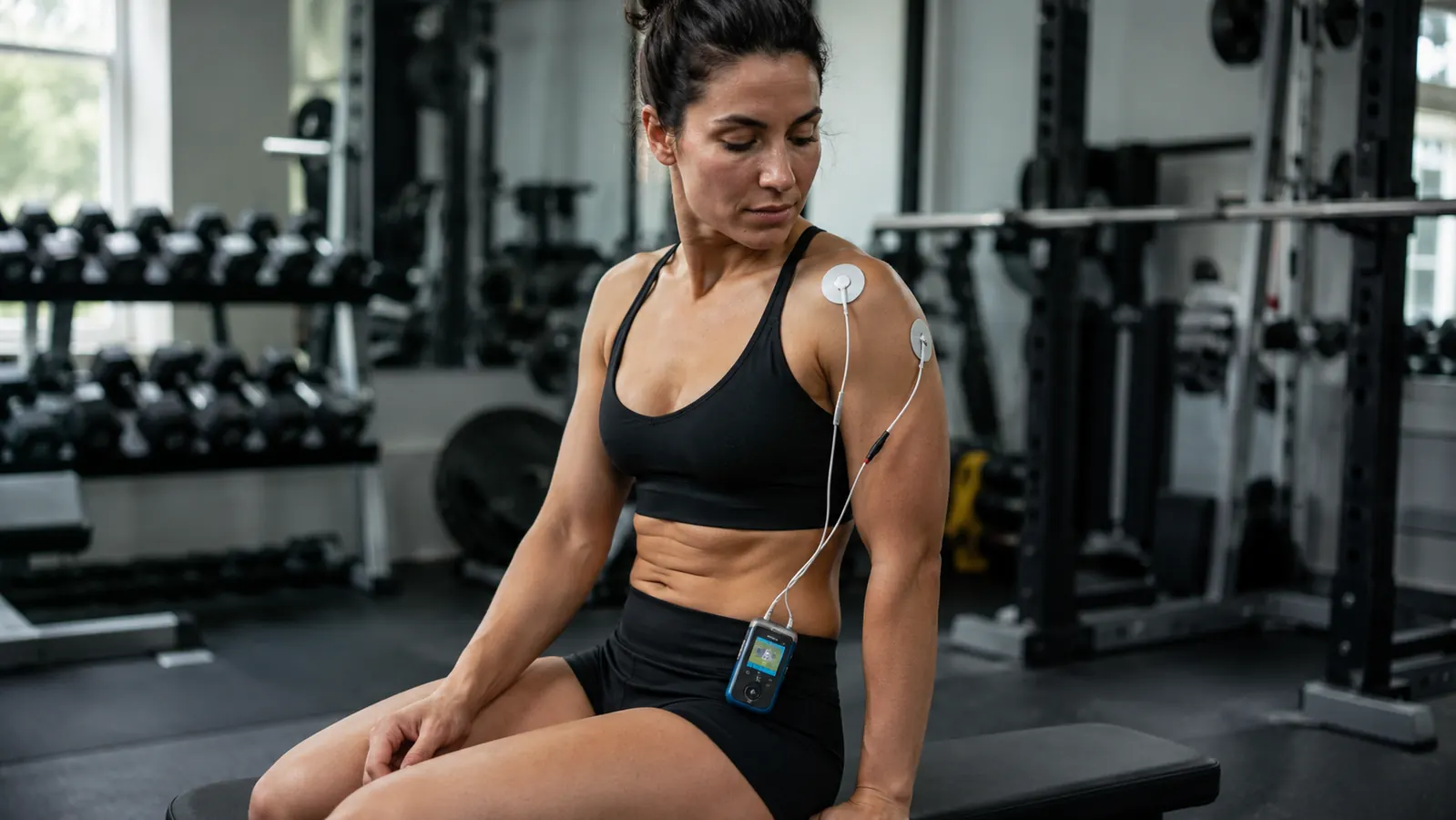
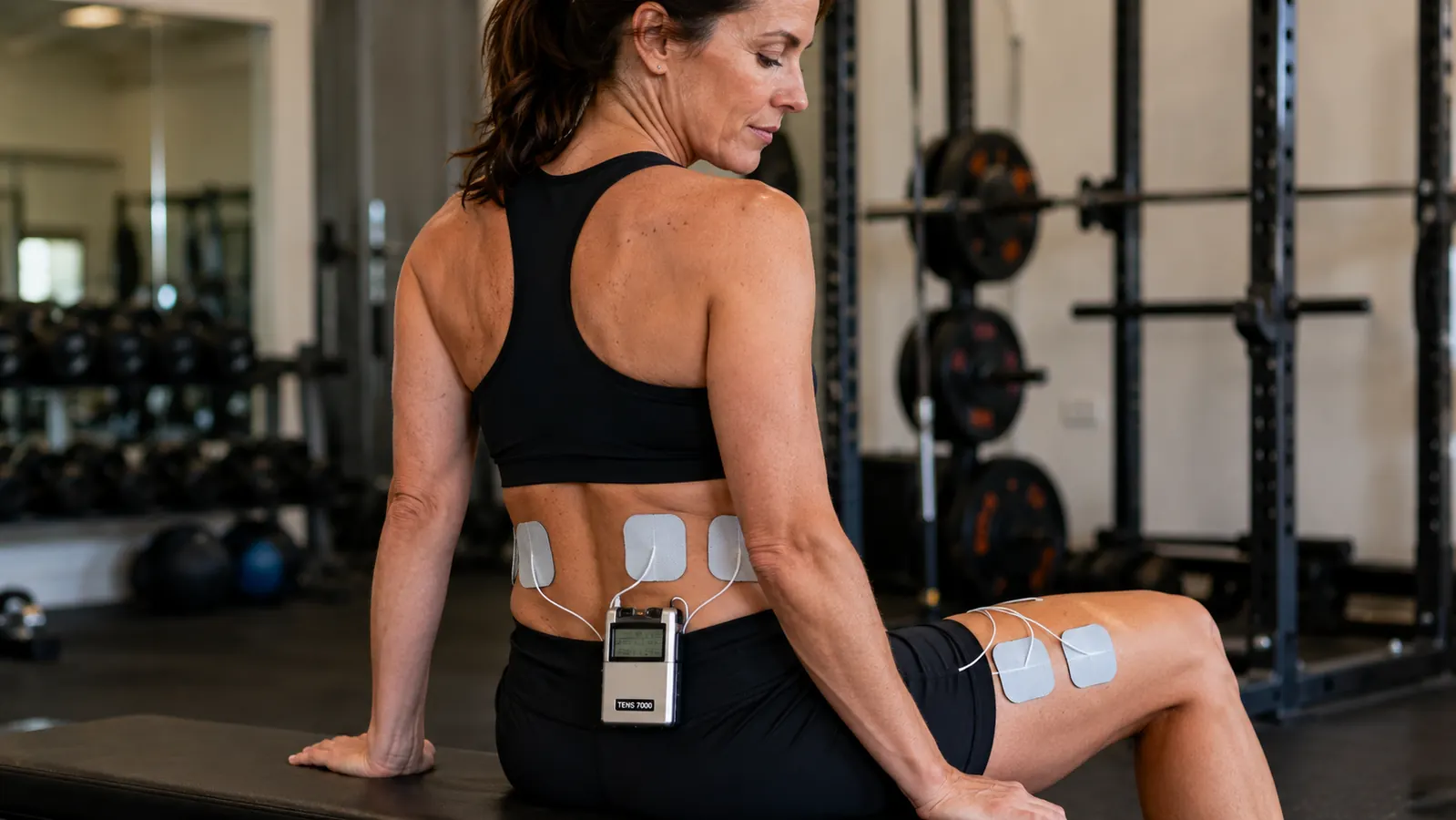
The TENS 7000 runs two channels simultaneously, which means you can place pads on both sides of the lower back, or target one quad and one hamstring at the same time. After a bilateral workout like squats or rows, you are often dealing with soreness in multiple places. Not having to flip through a session twice saves time and keeps your total recovery window realistic for a real person with a real schedule.
You do not need expensive massage appointments or two hours in a recovery spa. You need the right tool placed on the right muscle for twenty minutes. That is it.
It Gives Your Body a Break from Anti-Inflammatories
NSAIDs like ibuprofen do reduce inflammation and pain, but research suggests that heavy or repeated use after training may blunt some of the muscle adaptation signals your body actually needs. A TENS unit handles the discomfort without touching your biochemistry. I am not saying never take ibuprofen. I am saying you do not always need it, and a TENS session is a solid alternative for the nights when the soreness is manageable but present.
It Fits Into Your Evening Without Effort
A foam roller requires active attention and some degree of discomfort tolerance. Ice baths require a setup and a lot of willpower. A TENS unit requires you to stick pads on and sit on the couch. That low barrier to entry means people actually do it. Consistency is the whole game in recovery, and a tool you will use three nights a week beats a tool you will use once and then leave in the closet.
It Is Portable Enough to Take Anywhere
The TENS 7000 fits in a gym bag pocket. If you travel for work or race events, you can bring a recovery tool that actually does something without checking luggage or hoping the hotel gym has a foam roller. I have clients who run the device in hotel rooms after conference days on their feet, as well as after event days when their legs are wrecked. Recovery does not stop when you leave home, and a portable TENS unit makes sure it does not have to.
It Has Adjustable Intensity That Grows with Your Needs
New to TENS? Start low, feel the gentle pulse, run a session at a level that feels comfortable. Six months in and your pain tolerance and preferences shift? The TENS 7000 has enough intensity range to meet you there. A lot of budget devices top out too low and lose their usefulness quickly. This one has the range to stay relevant whether you are recovering from a light training day or the worst leg day of your quarter.
It Costs About as Much as One Massage and Lasts for Years
A single sports massage session often runs in the mid-to-upper range. The TENS 7000 is budget-priced and, with fresh electrode pads as needed, has a useful life measured in years. I am not saying it replaces hands-on bodywork entirely. But for daily maintenance between occasional professional sessions, the cost-to-benefit math is obvious. You pay once and then it is just there, ready to use every night you need it.
What I Would Skip Instead
Before you add a TENS unit to your routine, I want to be honest about what it will not do. It is not a substitute for sleep, hydration, or progressive programming. If those foundations are missing, no recovery tool will save you. It also will not fix a structural problem like a herniated disc or a torn tendon. TENS therapy manages discomfort and supports the recovery process. It does not replace a sports medicine evaluation when something is actually wrong. If you are dealing with chronic pain rather than normal training soreness, see a professional before self-treating. And as always, this article is not medical advice. Consult your doctor or physical therapist if you have any health conditions or are unsure whether TENS is appropriate for you.
What it is genuinely good for is the ordinary daily work of keeping a training body in good enough shape to show up again tomorrow. For that job, it is one of the most practical tools I have found. If you want the step-by-step breakdown of how to actually use it after a workout, including where to place the pads and which settings to start on, read my guide on how to use a TENS unit for post-workout soreness.
Ready to stop white-knuckling through soreness and actually recover? The TENS 7000 is where I would start.
Dual-channel, adjustable intensity, electrode pads included. Budget-friendly and over 106,000 five-star reviews.
Amazon Check Today's Price on Amazon →