
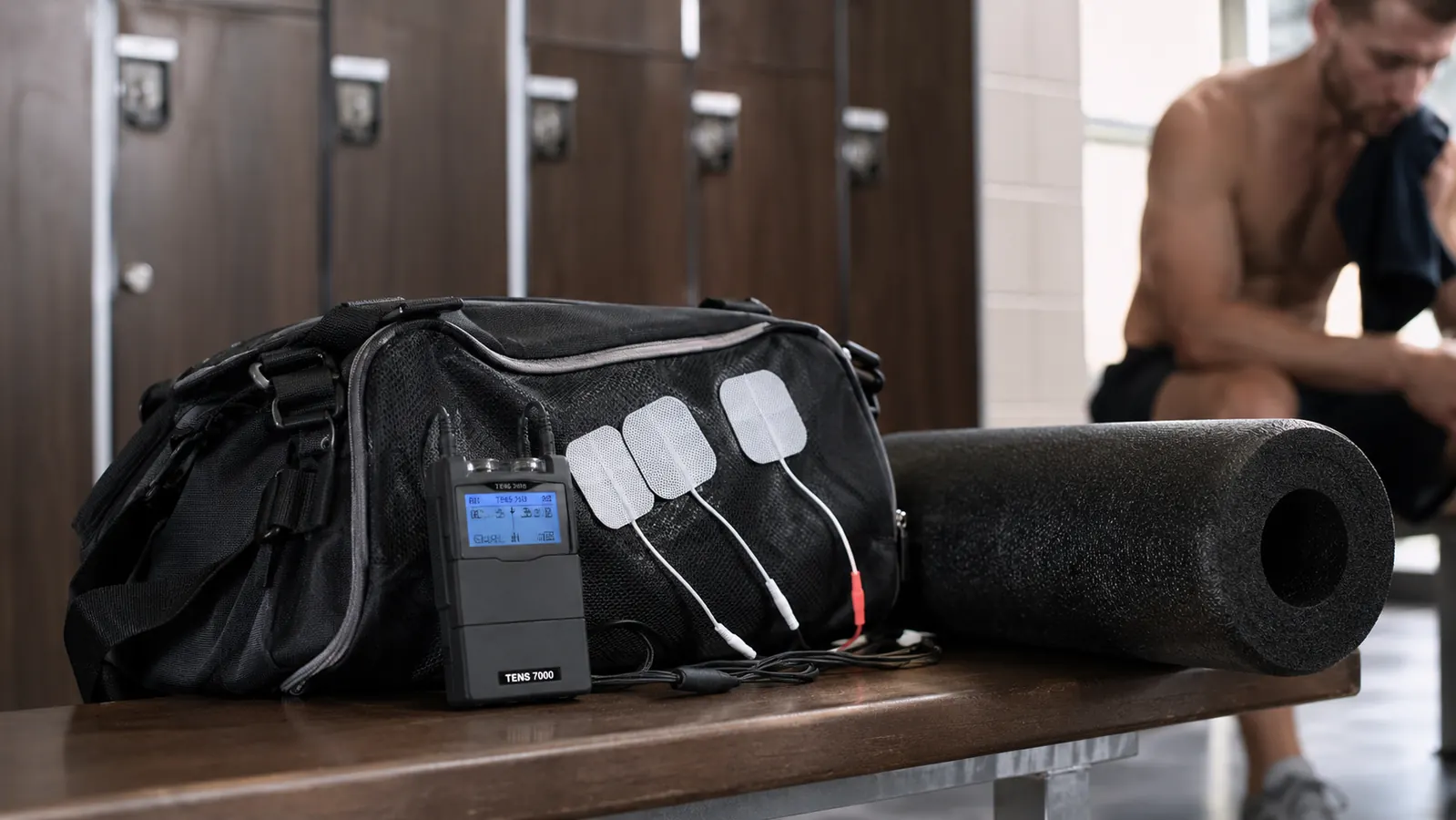
If you have been shopping for a muscle stimulator for post-workout recovery, you have probably landed on two names: the TENS 7000 and the Compex. One is priced for everyday athletes. The other is marketed at serious competitors, physical therapy clinics, and people who genuinely believe the device name on their gym bag says something about them. The honest question is: does the Compex do anything meaningfully better for the regular person trying to feel good by their next training session? I have used both. Here is what I found.
For most gym-goers, runners, and desk-bound lifters, the TENS 7000 covers the full range of what a muscle stimulator needs to do. The Compex does certain things better, and there is a real audience for it. But if you are recovering from leg day rather than preparing for a professional competition, you are very likely spending four to ten times more than you need to.
| TENS 7000 | Compex | |
|---|---|---|
| Retail Price | Affordable price point | Premium range and up |
| Stimulation Type | TENS (pain/sensory) | TENS + EMS (muscle contraction) |
| Max Output | 80 mA | 120 mA |
| Modes / Programs | 4 modes (Normal, Burst, Modulation, SD) | 10+ pre-set programs |
| Channels | 2 independent channels | 4 channels |
| Display | Clear LCD, manual controls | Digital with program labels |
| Battery | 9V replaceable | Rechargeable lithium-ion |
| Pad Compatibility | Standard snap electrodes, widely available | Proprietary Compex pads only |
| Weight | 5.4 oz with battery | ~4.5 oz body, heavier kit overall |
Where the TENS 7000 Wins
Price is the obvious one, but it goes deeper than the sticker. The TENS 7000 uses standard snap-connector electrode pads that you can buy anywhere for a few dollars a pack. Compex requires proprietary pads that cost significantly more and can only come from Compex or their licensed distributors. Over a year of regular use, pad replacement costs alone can make the Compex substantially more expensive than the initial purchase price already suggests.
The TENS 7000's four modes cover what most recovery use looks like: continuous stimulation for muscle fatigue, burst mode for acute soreness, modulation mode when you need varied pulse patterns to keep sensory receptors from habituating, and SD mode for deeper penetration on larger muscle groups like the quads or hamstrings. With over 106,000 reviews and a 4.6-star rating on Amazon, the user base is enormous, which means community knowledge, setup guides, and pad placement diagrams are everywhere. You are not on your own figuring it out.
The 9-volt replaceable battery is actually a practical advantage, not a limitation. You can throw a spare nine-volt in your gym bag and never worry about being mid-session with a dead device. Rechargeable is convenient until the day you forget to charge it and need it after a long run.
Where Compex Wins
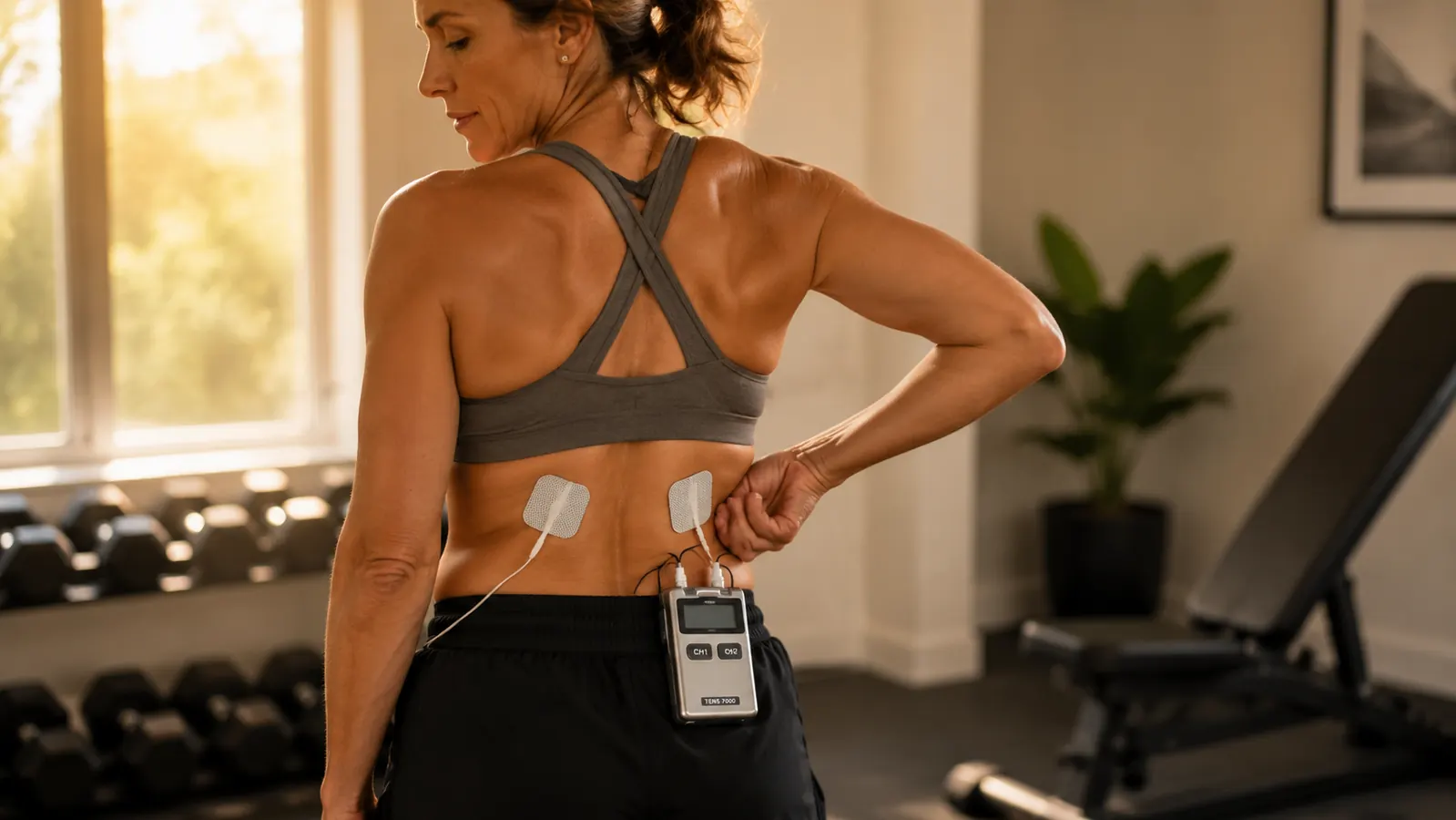
The Compex is a genuine EMS device as well as a TENS device, which is a meaningful distinction. EMS (electrical muscle stimulation) actually recruits motor neurons and causes muscle contractions, which is why Compex is used for both recovery and active muscle conditioning. The TENS 7000 is primarily a TENS device, meaning it targets sensory nerve pathways to interrupt pain signals. That is effective for soreness relief. It is not the same as the muscle-twitch training protocols Compex offers.
If you are a competitive cyclist, triathlete, or someone doing a formal strength-conditioning protocol where you need timed muscle contractions at specific intensities, Compex's pre-programmed recovery, endurance, and resistance modes are built around those use cases in ways the TENS 7000 simply is not. Four channels also let you work two muscle groups simultaneously, which speeds up a full-body recovery session.
The TENS 7000 handles post-workout soreness relief better than most people expect from a device in this price range. The Compex handles a different job, and for most gym-goers, it is a job they are not actually asking for.
Still sore from your last session? The TENS 7000 is what most athletes actually need.
With 4 modes, 2 independent channels, and replaceable pads you can find anywhere, the TENS 7000 covers the full range of everyday muscle recovery without the steep cost or proprietary accessories.
Amazon Check Today's Price on Amazon →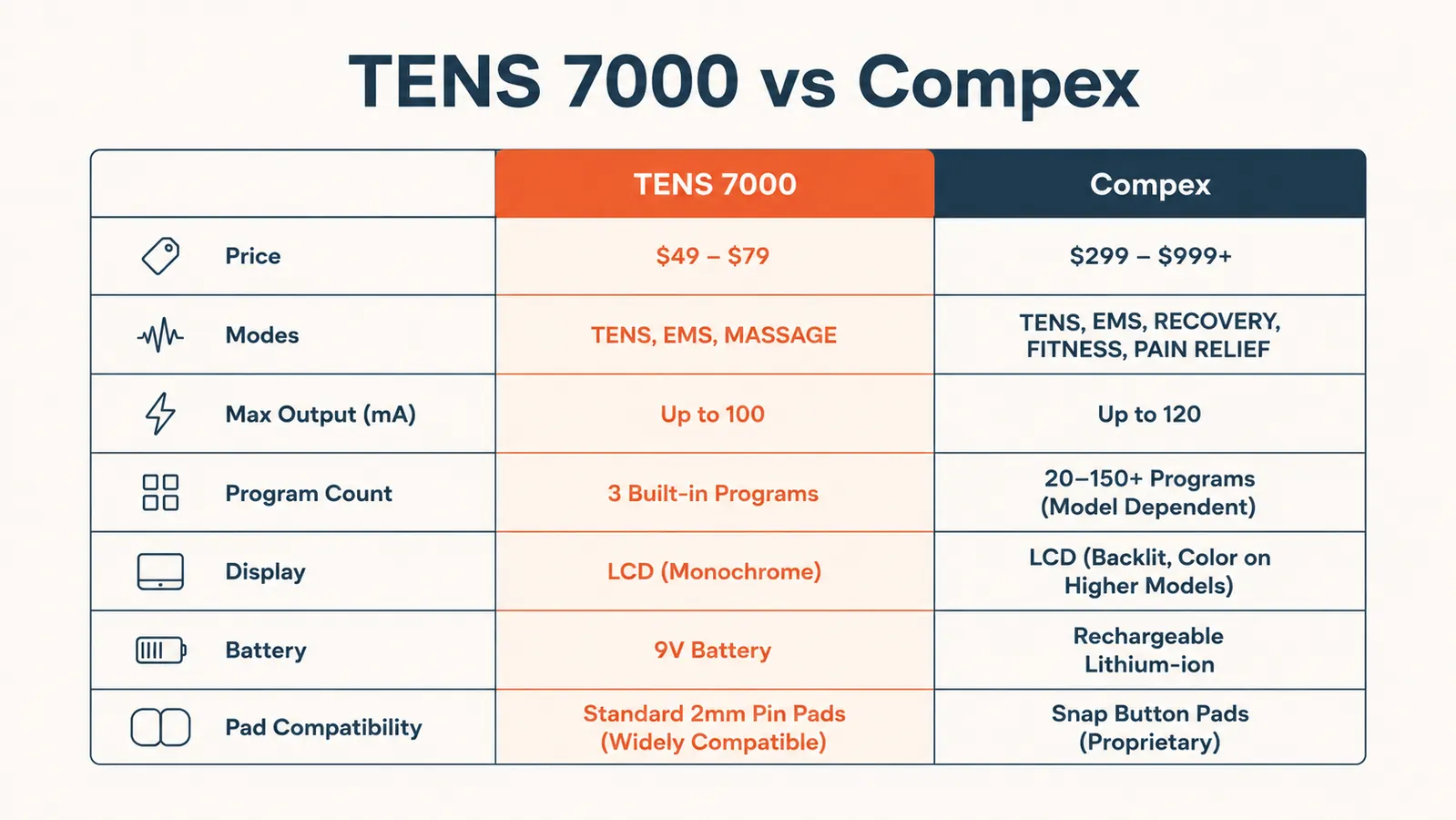
The Pad Problem Nobody Mentions
One of the most overlooked differences between these two devices is pad economics. TENS 7000 electrode pads use a universal snap connection. You can get a 40-pack of replacement pads affordably from a dozen different brands. They are at most pharmacies, sporting goods stores, and Amazon. When a pad loses its adhesion after 20 or 30 sessions, you just replace it without thinking.
Compex pads are proprietary. They are better engineered, yes, with a snap design that sits more securely and a slightly higher-quality gel formula. But replacement sets cost several times more, and if Compex changes their connector spec in a future device generation, your pad stock becomes worthless. For a device you might use every day for years, the long-term cost of pads is a real number that belongs in the comparison.
Intensity and Feel: A Practical Note
The Compex maxes out at 120 mA versus 80 mA for the TENS 7000. In practice, most users, including athletes who have used both, never run either device anywhere near its ceiling. Effective TENS therapy for soreness relief typically happens in the 20-60 mA range depending on the placement and your individual sensitivity. The extra ceiling on the Compex matters more for EMS training protocols where sustained high-intensity contractions are the point. For passive soreness relief during your cooldown, both devices operate in the same comfortable working range.
The TENS 7000's controls are also notably simple: a dedicated intensity dial per channel, four mode buttons, and an LCD screen that shows exactly what it is doing. Compex's interface is more sophisticated but takes longer to learn. I have seen people in gym environments fiddling with Compex menus for two minutes when they just want to start a basic recovery session. The TENS 7000 is on and effective in about thirty seconds.
Who Should Buy the TENS 7000
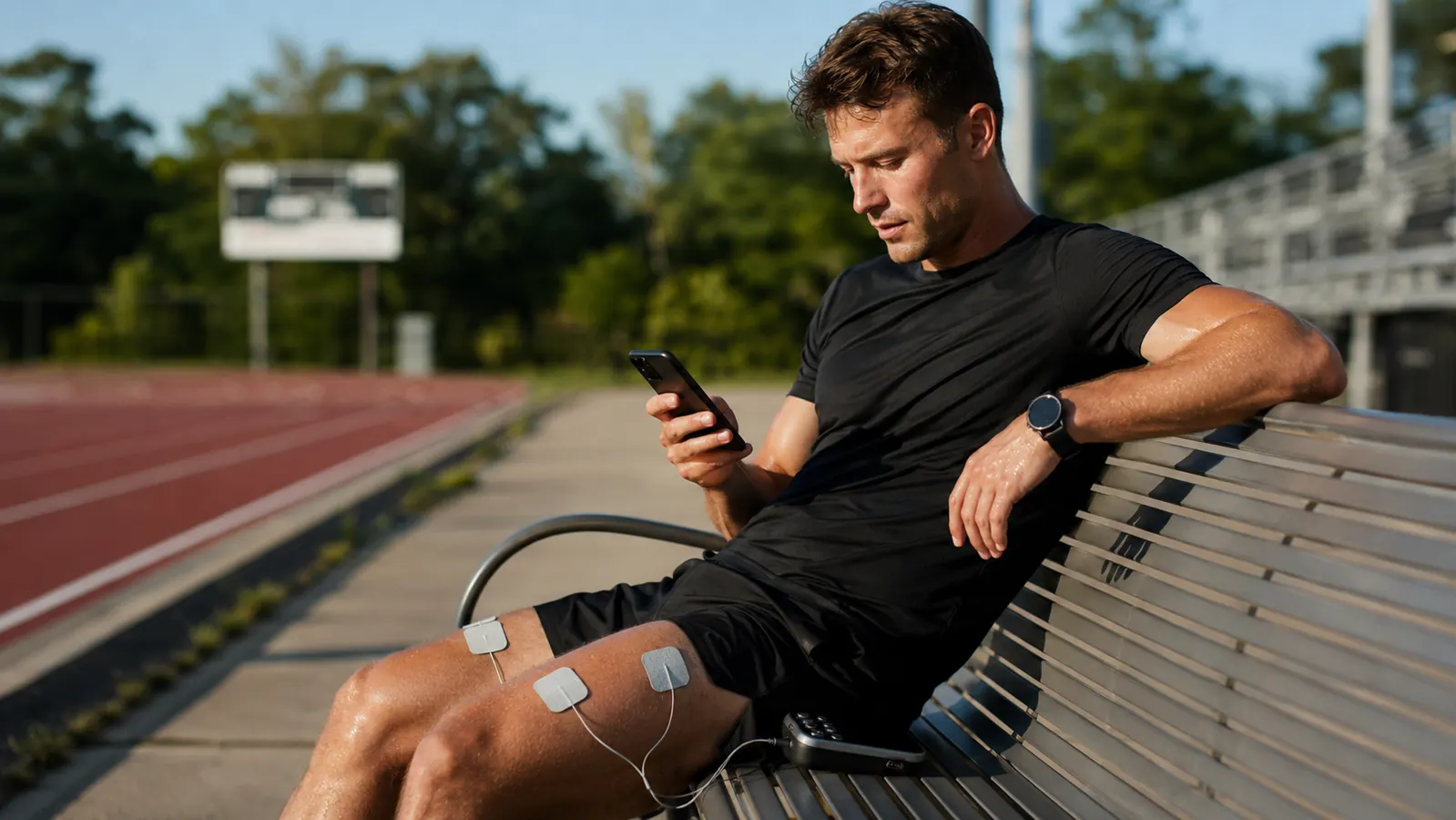
If you are a recreational gym-goer, weekend runner, or anyone dealing with everyday muscle fatigue and post-workout soreness, the TENS 7000 is what I recommend. It delivers reliable TENS therapy for sore quads, tight lower backs, and fatigued shoulders at a price point that does not require a recovery protocol budget. The pad availability means you are never without a working device, and the four modes give you enough range to address different types of soreness without needing a manual every time you use it. It is the kind of device you actually use consistently, which is the only thing that matters for recovery.
Who Should Consider Compex Instead
Compex makes sense if you are a serious competitive athlete using EMS as part of a structured performance training program, if you work with a coach or physical therapist who has written Compex protocols into your plan, or if you have already used a basic TENS device and feel you have genuinely maxed out what it can do for you. It also makes sense if you specifically want EMS-driven muscle contractions as part of active conditioning, not just passive pain relief. If none of those descriptions fit your situation, the Compex price premium is unlikely to translate into a meaningfully different recovery experience for you.
One more thing worth saying plainly: the TENS 7000 has over 106,000 Amazon reviews and has been the top-selling TENS unit in its category for years. That kind of sustained performance comes from a lot of ordinary people buying it, using it, and coming back satisfied. That is a better signal than any spec sheet.
The TENS 7000 is the smarter buy for most athletes. Here is where to get it.
Rated 4.6 stars across more than 106,000 reviews. Works on back, neck, quads, shoulders, and more. Pads available anywhere. No proprietary accessories required.
Amazon Check Today's Price on Amazon →