
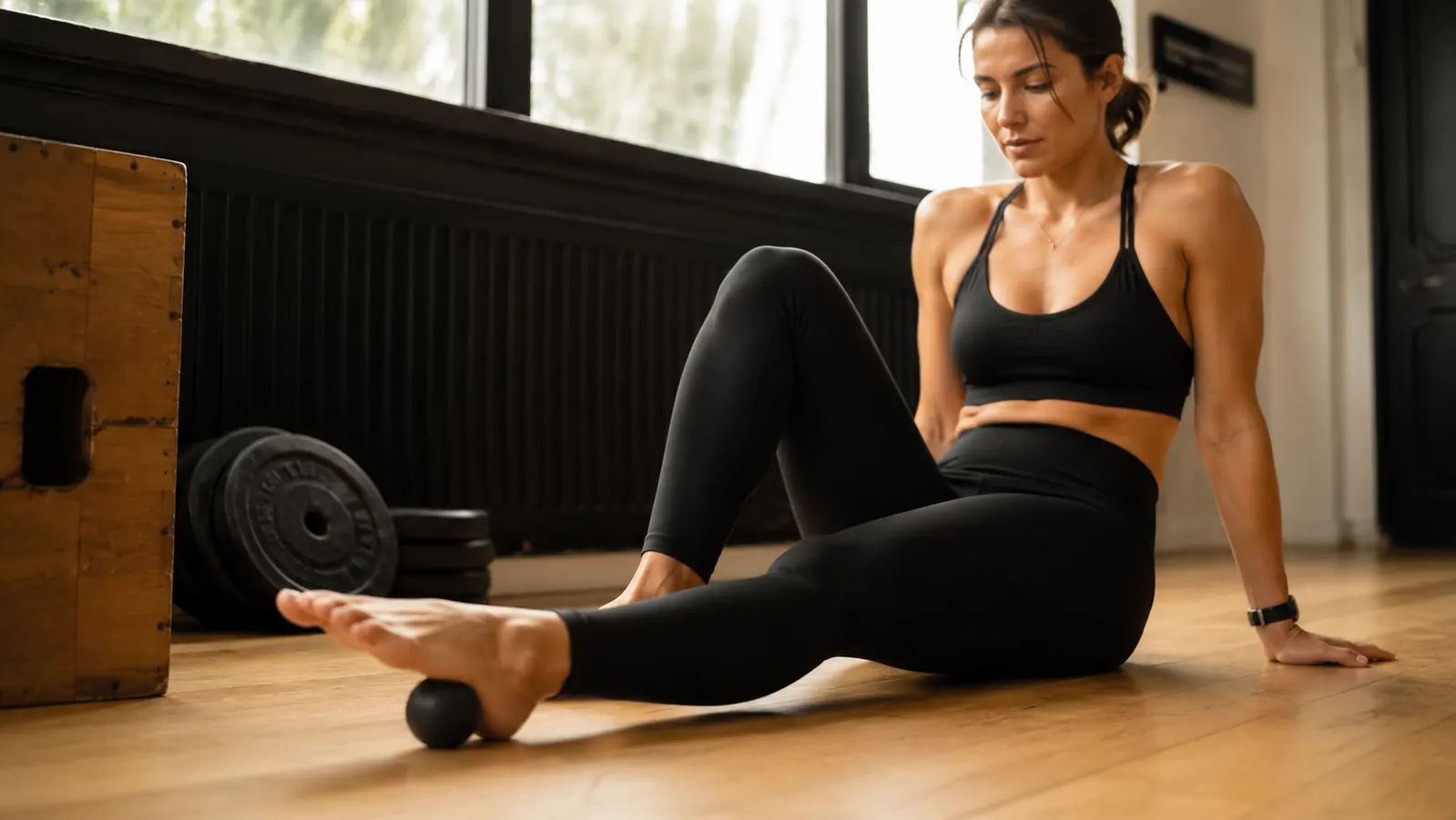
Plantar fasciitis is one of those injuries that sneaks up on you. One morning you step out of bed and feel a sharp stab in your heel. A week later it is still there. A month later you are limping to the bathroom and Googling foot surgery at midnight. I have coached runners and gym-goers through this thing more times than I can count, and I want to be clear up front: a lacrosse ball is not a cure. What it is, used correctly, is one of the most effective daily tools for managing the tightness and tension that keeps plantar fasciitis from healing. Paired with rest, stretching, and a visit to a physical therapist or podiatrist if symptoms are severe, rolling can meaningfully cut your recovery time. This guide walks you through exactly how to do it. The good news: a firm Kieba lacrosse ball and ten minutes a day can take the edge off faster than most people expect.
Before we get into the steps: plantar fasciitis is an irritation of the thick band of connective tissue running along the bottom of your foot from your heel to your toes. Rolling it out with a firm ball does two things. First, it helps hydrate and mobilize the fascia by increasing blood flow to a structure that has very poor circulation on its own. Second, it loosens the calf and Achilles complex above it, which is almost always a contributing factor. If you have been diagnosed with plantar fasciitis or suspect you have it, please see a healthcare professional. This guide is a complement to proper care, not a replacement for it. The tool I reach for here is a firm Kieba lacrosse ball, dense enough to press into the fascia without squashing flat.
Your heel hurts every morning. A lacrosse ball costs less than a single PT copay.
The Kieba lacrosse ball is rated 4.7 stars by over 24,000 athletes. Firm enough to actually release tight fascia, smooth enough not to bruise the skin. This is the one I keep in my gym bag and recommend to every client who asks.
Amazon Check Today's Price on Amazon →Step 1: Time It Right (First Thing in the Morning or Post-Workout)
The worst moment to roll is cold, first thing in the morning, before your foot has any warmth in it at all. Most people roll too hard too early and end up irritating already inflamed tissue. Instead, do a one-minute warm-up first: walk around your kitchen, do ten calf raises, or stand under a warm shower. You want the tissue a little more pliable before you put weight on a two-and-a-half inch ball.
The two best windows for rolling are: right after a warm-up (morning) or right after a workout (when everything is already loose). Post-workout rolling takes advantage of increased blood flow that is already happening and tends to feel the most productive. If mornings are your only option, do a brief warmup first and keep the pressure lighter than you think you need.
One thing that does work well first thing in the morning: frozen lacrosse ball rolling. Stick the ball in the freezer overnight, then roll the arch over it for two to three minutes before you take your first real steps. The cold reduces inflammation while the pressure mobilizes the tissue. Just do not do this if cold sensation in your feet is ever a problem for you medically.
Step 2: Start at the Heel, Not the Arch
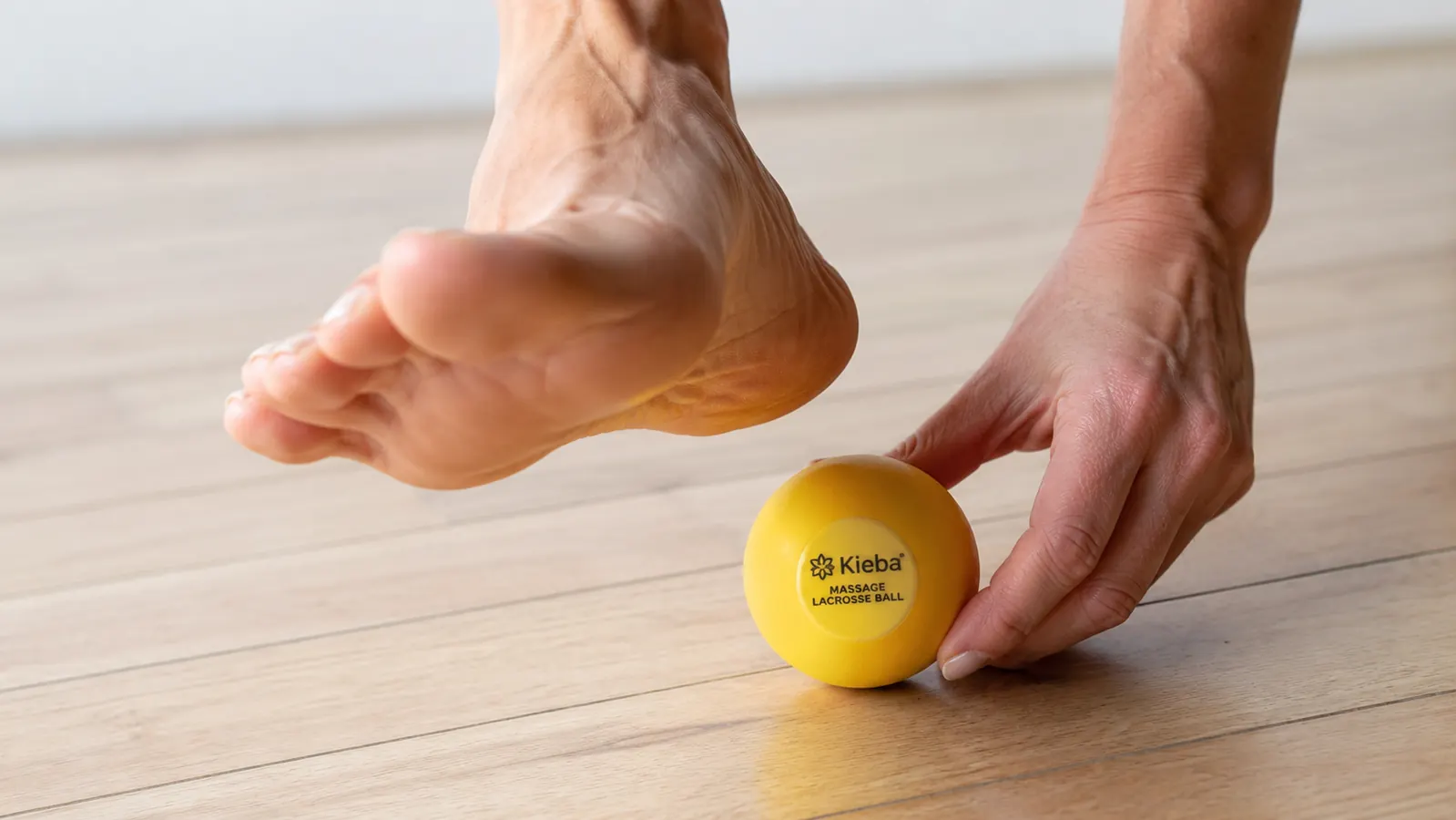
Everyone goes straight to the most painful spot. That is usually the arch or the inside of the heel. Resist that instinct for the first sixty seconds. Start with the ball just below the heel bone, where the fascia attaches, and use light pressure while seated. Seated rolling lets you control exactly how much body weight is going through the ball. Plantar fascia tissue is easy to over-aggress, and if you roll too hard on already inflamed spots you will feel worse the next morning, not better.
Roll slowly in small circles around the heel for thirty to forty-five seconds. You are not trying to grind anything down. You are asking the tissue to respond to gentle, consistent input. When you hit a spot that makes you hold your breath, pause there for five to ten seconds instead of rolling over it repeatedly. That hold-and-release approach tends to work better with fascia than rapid back-and-forth motion.
Step 3: Move Through the Three Zones of the Foot
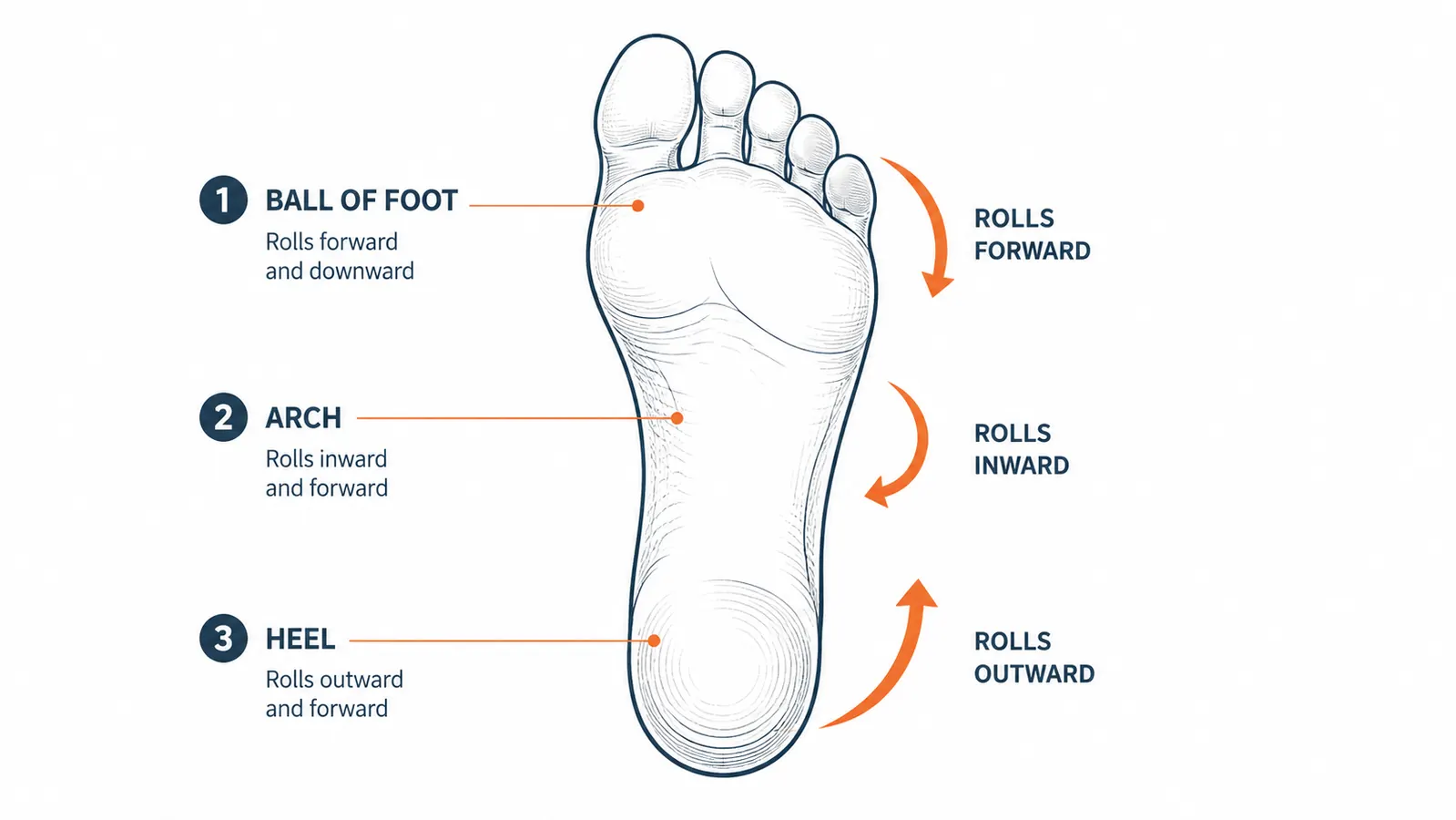
Think of the bottom of your foot in three zones: the heel, the arch (mid-foot), and the ball of the foot just behind the toes. Each zone needs slightly different pressure and motion. The heel responds well to small circles and moderate pressure. The arch is where the plantar fascia itself runs and tends to be the most sensitive, so use lighter pressure here and longer pauses on tight spots rather than aggressive rolling. The ball of the foot can handle a bit more pressure and benefits from slow front-to-back strokes.
Spend about ninety seconds in each zone. The whole foot takes roughly four to five minutes to get through properly. If a specific spot in the arch feels particularly tight or knotted, you can spend an extra thirty seconds there using static hold pressure, meaning you just sit on the ball at that spot without moving. That kind of sustained compression is often more effective on fascia than rolling.
One thing I tell clients: the Kieba ball is firm enough to actually work through the plantar fascia but not so aggressive that it bruises the foot the way a spiky massage ball can. That firmness matters. A tennis ball compresses too much and you lose the focused pressure point. A golf ball is too small and too hard and risks bruising the heel pad.
Step 4: Stand and Transition to Weight-Bearing Rolling
After two or three sessions of seated rolling, you can progress to standing. Standing rolling means you place the ball on the floor, step onto it with the affected foot, and shift your weight gradually. Most people should start with only 50 to 60 percent of their body weight on the ball. Hold a counter, wall, or chair for balance. The point is control, not maximum pressure.
From standing, slowly roll from the heel toward the arch, pause, then back again. Move at roughly two seconds per inch. If you feel sharp, shooting pain rather than a dull ache or pressure, immediately reduce weight. Sharp pain during rolling is a signal to back off, not push through. Some discomfort is expected, especially in the first few sessions, but it should stay in the range of what athletes call a productive discomfort rather than a pain that makes you wince.
Standing rolling is more intense than seated, so keep the first standing session to two minutes total. You can work up to three to four minutes over time as the fascia becomes less reactive.
Step 5: Finish with a Calf and Toe Stretch
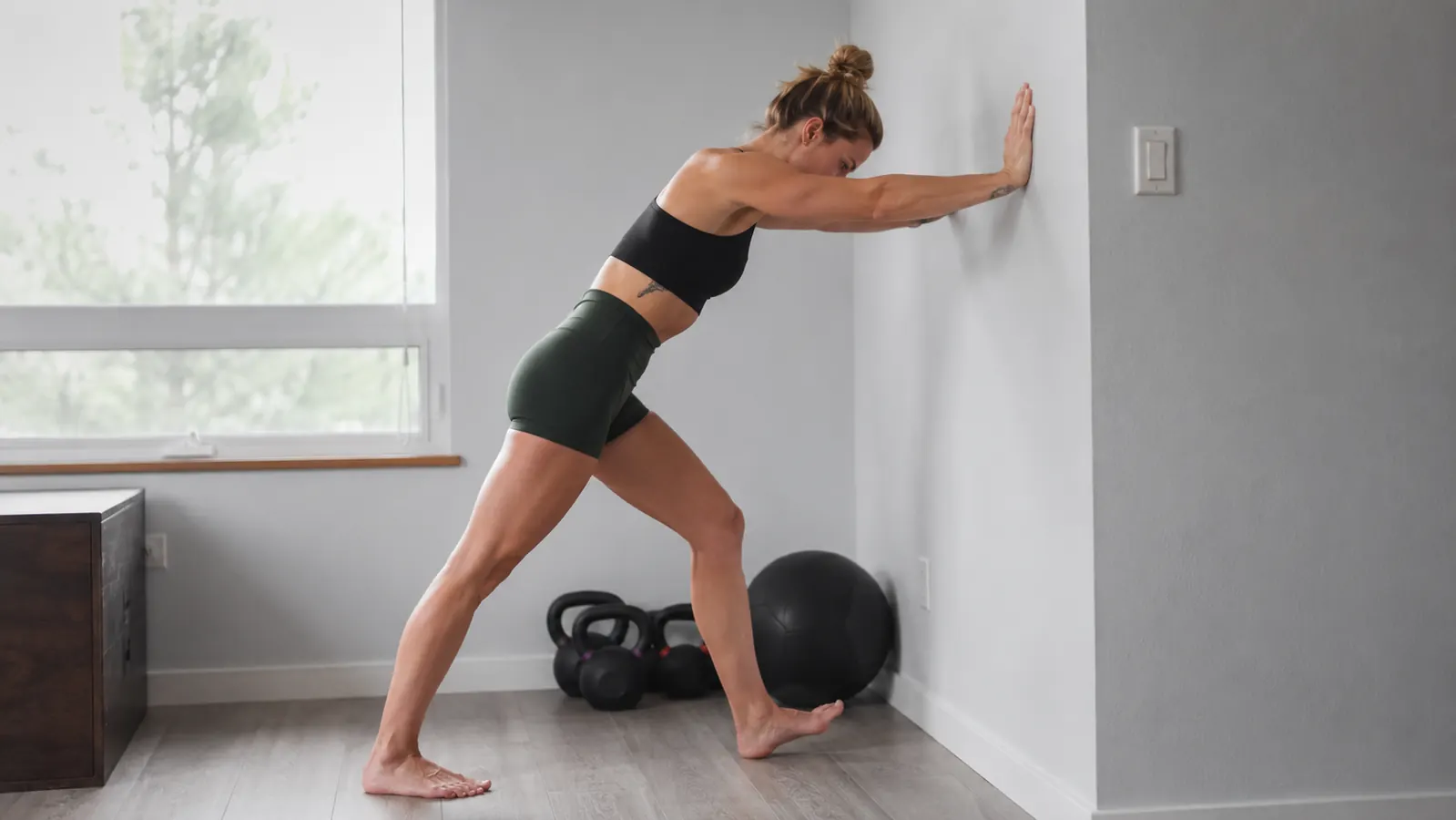
Rolling the plantar fascia directly is only part of the protocol. The calf muscle and Achilles tendon pull on the fascia from above, and if they stay tight, the fascia never fully decompresses. Immediately after rolling, do a standing calf stretch for thirty seconds per side: place your toes against a wall or baseboard, lean your heel toward the floor, and hold. You should feel the stretch run from the ball of your foot up through your calf. Switch sides even if only one foot is affected, because asymmetry in calf tightness is one of the most common reasons plantar fasciitis develops in the first place.
Also spend fifteen seconds stretching the toes upward. Reach down, grip your toes, and pull them back toward your shin while your foot is on the ground. This loads the plantar fascia in a stretched position and encourages tissue remodeling. It is uncomfortable but brief, and most people notice that the morning heel pain gradually shortens in duration over two to three weeks of consistent rolling plus this stretch combination.
Rolling is not about grinding the pain away. It is about giving the tissue a consistent signal to release. Four minutes of patient, controlled pressure beats twenty minutes of painful grinding every single time.
What Else Helps
The lacrosse ball is the core tool in this protocol, but a few pairings make it work better. Supportive footwear matters more than most people expect. Flat shoes and walking barefoot on hard floors during a flare-up puts direct stress on the fascia with every step. Wearing a shoe with a slight heel lift and firm arch support, even just around the house, takes a meaningful load off the tissue while it is trying to recover.
Night splints, which hold the foot in a slightly dorsiflexed position while you sleep, are consistently recommended by podiatrists for chronic plantar fasciitis. They look awkward and feel strange the first few nights, but they work by keeping the fascia in a lengthened position overnight instead of letting it contract and stiffen while you sleep. That is why the first steps in the morning are so painful: the fascia has been in a shortened position for seven or eight hours. A night splint helps break that cycle.
Ice after rolling is useful if you notice increased inflammation or swelling. Five to ten minutes of ice on the arch and heel after your rolling session can reduce any reactive irritation from the pressure work. Anti-inflammatory approaches like contrast soaks (alternating warm and cold water) are helpful for some people. What does not help: forcing yourself through workouts that make the heel significantly worse. Short-term reduction in impact activity is genuinely useful for recovery. A week of lower-impact training is better than six more weeks of limping.
If your symptoms are not improving after three to four weeks of consistent daily rolling and stretching, that is a clear signal to see a physical therapist or podiatrist. Plantar fasciitis occasionally has underlying causes like heel spurs, nerve involvement, or biomechanical issues that a ball cannot address. Most cases respond well to conservative care, but you want a professional ruling those things out if progress stalls. This guide is not a substitute for that assessment.
For more on where to target with a massage ball beyond the foot, the guide on 10 trigger point spots every gym-goer should target with a massage ball covers the most commonly missed areas from calves to upper traps. And if you want a full breakdown of the Kieba ball itself before buying, the six-month Kieba lacrosse ball review covers durability, firmness, and how it holds up with daily use.
Ready to start the protocol? The Kieba ball is what I recommend.
Firm, smooth, and sized right for plantar fascia work. Over 24,000 ratings averaging 4.7 stars. It costs about the same as a coffee and lasts for years. If plantar fasciitis is making your mornings miserable, this is where I would start.
Amazon Check Today's Price on Amazon →